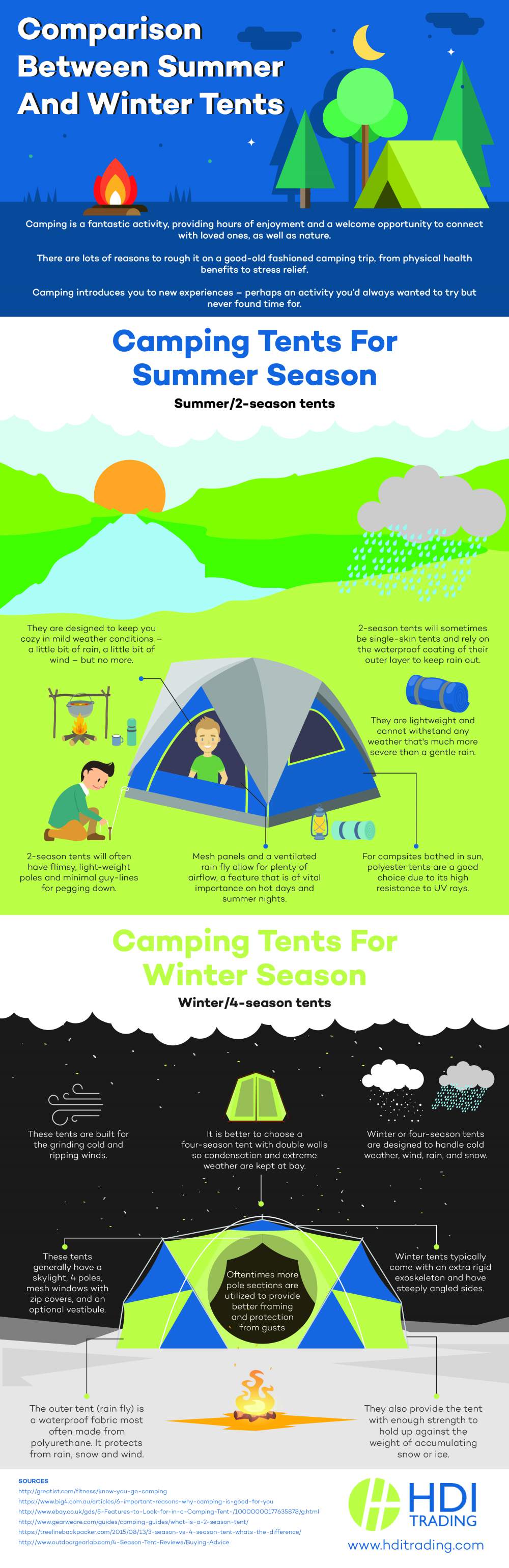
There is something distinctively humbling about getting up to the audio of rainfall hammering the roof covering of your tent. For seasoned campers, that sound can mean the difference between a cozy morning and a soggy disaster. The material standing in between you and a drenching is often waterproof canvas-- a tried-and-tested fabric that has protected exterior travelers for generations. Recognizing how it works and why it executes so well in heavy rainfall can assist you make smarter equipment options before your following trip into the wild.
What Makes Canvas Waterproof
Not all canvas is produced equivalent. Standard canvas is a heavy-duty woven textile, generally made from cotton, polyester, or a mix of both. On its own, unattended canvas takes in water as opposed to repelling it. The waterproofing comes from therapies and weaving methods related to the base fabric.
One of the most common approach is covering the canvas with a water-repellent material such as wax, silicone, polyurethane, or acrylic. Wax-coated canvas, for example, has actually been used in outside shelters for over a century. The wax fills up the little gaps in between the woven fibers, producing a surface area that causes water beads to grain up and roll off rather than soak through.
Modern water-proof canvas frequently utilizes artificial finishings that supply higher resistance scores gauged in millimetres (mm). A canvas rated at 2,000 mm indicates it can hold up against a column of water that height prior to dripping-- sufficient for modest rainfall. Premium canvas sanctuaries made use of in base camps and expedition camping tents can get to rankings of 3,000 mm to 5,000 mm, dealing with also the heaviest rainstorms without breaking a sweat.
How Water Resistant Canvas Executes During Heavy Rainfall
Water Beading and Drainage
The first line of defence is surface area repellency. When rainfall strikes a well-treated canvas, the droplets do not permeate the surface area. Rather, they bead up and roll toward the edges of the shelter. This keeps the external layer completely dry and prevents water weight from developing on the textile, which can otherwise cause sagging or merging that at some point causes leaks.
Breathability Under Wet Conditions
Among the most underappreciated qualities of premium water-proof canvas is its capacity to breathe. Unlike fully sealed synthetic products, canvas permits a percentage of air vapour to pass through. This means that moisture from your body heat and breathing does not transform the within your outdoor tents right into a condensation catch. In hefty rainfall, this matters enormously-- a shelter that can not breathe will leak on you from the inside also when the outside is watertight.
Architectural Honesty Under Lots
Hefty rainfall often comes with wind, and waterproof canvas is developed to deal with both. The tight weave of high quality canvas provides it tensile stamina that more affordable artificial products do not have. When a tornado discards water quickly, a weak sanctuary material stretches, warps, or establishes pressure points where leaks begin. Canvas holds its shape under load, maintaining even stress throughout its surface area and protecting against the low spots where water pools and eventually seeps through.
Cotton Canvas vs Synthetic Canvas in Rainfall
The discussion in between cotton canvas and artificial canvas deserves comprehending for rain performance specifically. Cotton canvas has an unique advantage-- when it splashes, the cotton fibers swell a little and tighten up the weave even further, making the fabric temporarily extra water-proof. This is why seasoned campers commonly state a canvas camping tent "seasons" over time and improves in the rainfall with use.
Artificial canvas, made from polyester or nylon blends, does not swell however maintains its water resistance much more consistently across temperature level adjustments. It is additionally lighter and dries out quicker after a storm passes, which matters when you are packing up a damp camp. Lots of contemporary shelters use a cotton-polyester blend to record the advantages of both.
Preserving Water Resistant Canvas for Long-Term Security
Even the best water-proof canvas calls for some care to maintain its efficiency. Gradually, UV direct exposure, dirt, and repeated folding can weaken the water-repellent finish. Reproofing your canvas with a spray-on or wipe-on DWR (Resilient Water Repellent) treatment every season or 2 restores its ability to grain water successfully.
Keeping canvas tidy is similarly important. Mould, mold, and gunk can physically break down the fibers and finishing, creating powerlessness that let rainfall with. A gentle scrub with light soap and extensive drying prior to storage goes a long way towards keeping your canvas sanctuary doing at its best for several years.
Why Canvas Stays the Camper's Selection in Heavy Rainfall
Light-weight synthetic outdoors tents dominate the backpacking globe, however when problems turn severe, water-proof canvas regularly confirms its worth. Its mix of high water resistance, breathability, structural toughness, and sturdiness makes it the preferred product for base camps, family outdoor camping, and any circumstance where staying really completely dry is non-negotiable. When the skies open and the rain reveals no sign of quiting, waterproof canvas is the peaceful, dependable guard that maintains campers warm, completely dry, and comfortable with the worst the sun shade weather condition can throw at them.